
 Switch
 Homepage
 facebook
 IG
IG
 Other Hospital
 CMUH App

Scarlet fever is primarily caused by a Group A Streptococcus (Group A Strep) infection. The bacteria can reside in the patient's mouth, throat, and nose, and are transmitted through respiratory droplets or through direct or close contact with patients or carriers. It most commonly occurs in school-aged children, especially those aged 5 to 10 years. In Taiwan, cases occur year-round, with the primary peak season running from March to May. The incubation period is typically about 2 to 5 days.
Symptoms
- Fever and sore throat.
- Fatigue and headache.
- Nausea, vomiting, and abdominal pain.
- Pallor around the mouth (perioral pallor), accompanied by red, swollen, or purulent (pus-yielding) tonsils.
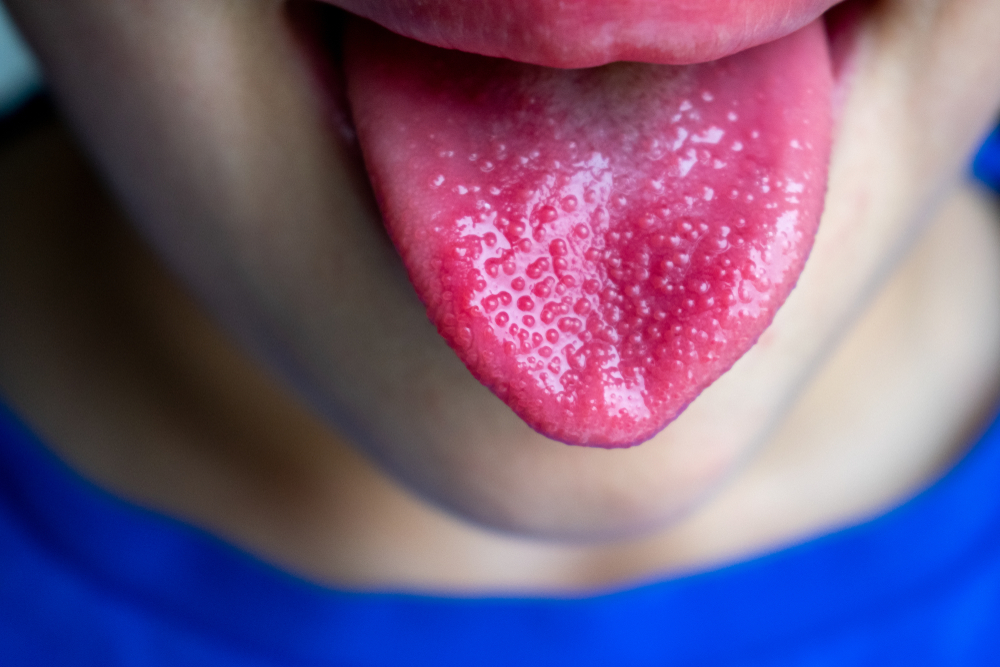
- The tongue may appear bright red with a bumpy surface caused by prominent papillae, a condition known as "strawberry tongue."
- The rash usually appears on the second day of illness. A rough, sandpaper-like red rash emerges on the trunk and neck, which subsequently spreads to the limbs, particularly in the axillae (underarms), elbows, and groin.
- The rash generally fades within a week, followed by desquamation (peeling) of the skin on the fingertips, toes, and groin.
In a small number of pediatric patients, Group A Strep infections can lead to serious complications such as acute rheumatic fever, acute glomerulonephritis, and rheumatic heart disease. If symptoms of scarlet fever appear, please seek medical attention promptly and take medications regularly as directed by a physician.
Treatment
- Treatment primarily targets Group A Streptococcus by administering oral or injectable antibiotics. Depending on the clinical condition, physicians may arrange a Rapid Antigen Detection Test (RADT) for Group A Strep, a rapid DNA test, or a throat culture.
- Oral antibiotics must be taken regularly for a full 10 days to ensure the complete eradication of the bacteria; do not discontinue the medication arbitrarily. In Taiwan, commonly used oral antibiotics include amoxicillin or cephradine.
Home Care
- Provide nutritional and easily digestible food to boost the child's immunity. If the child suffers from a loss of appetite due to a sore throat, offer liquid or softer foods, such as milk, pudding, or ice cream, to replenish nutrients and calories.
- Replenish fluids and ensure plenty of rest.
- Children may return to school or public places after receiving appropriate antibiotic treatment for at least 24 hours, being fever-free, and showing improvement in energy and activity.
- Wear a mask before coming into contact with the sick child, and keep the child away from other young children at home to prevent cross-infection.
- Cover the mouth and nose when sneezing or coughing. Properly dispose of secretions and wash hands immediately with soap or hand sanitizer.
- Seek medical attention again immediately if a high fever persists 24 to 48 hours after starting medication, if symptoms worsen, or if signs such as hematuria (blood in urine), edema (swelling), joint pain, difficulty breathing, or poor vitality occur.
 Facebook
 IG
IG
 YouTube