

What Is General Anesthesia?
During surgery, your doctor will give you anesthesia through a mask (gas) or through an IV injection. This puts you into a deep sleep, so you will not feel pain or be aware during the operation. This helps the surgery go smoothly.

Why Is It Easy to Fall After Surgery?
After anesthesia is stopped, it may take several hours or even up to one day for the medicine to fully leave your body.
During this recovery time, you may feel:
- Dizzy
- Weak or very tired
- Lightheaded when changing positions (for example, when sitting up or standing)
These symptoms can increase the risk of falling.
What Can Happen If You Fall?
- Mild injuries: Scrapes, bruises, swelling, or local pain
- Serious injuries: Skin tears, bone fractures, brain bleeding. These may require another surgery, longer hospital stay, or in severe cases, can be life-threatening.
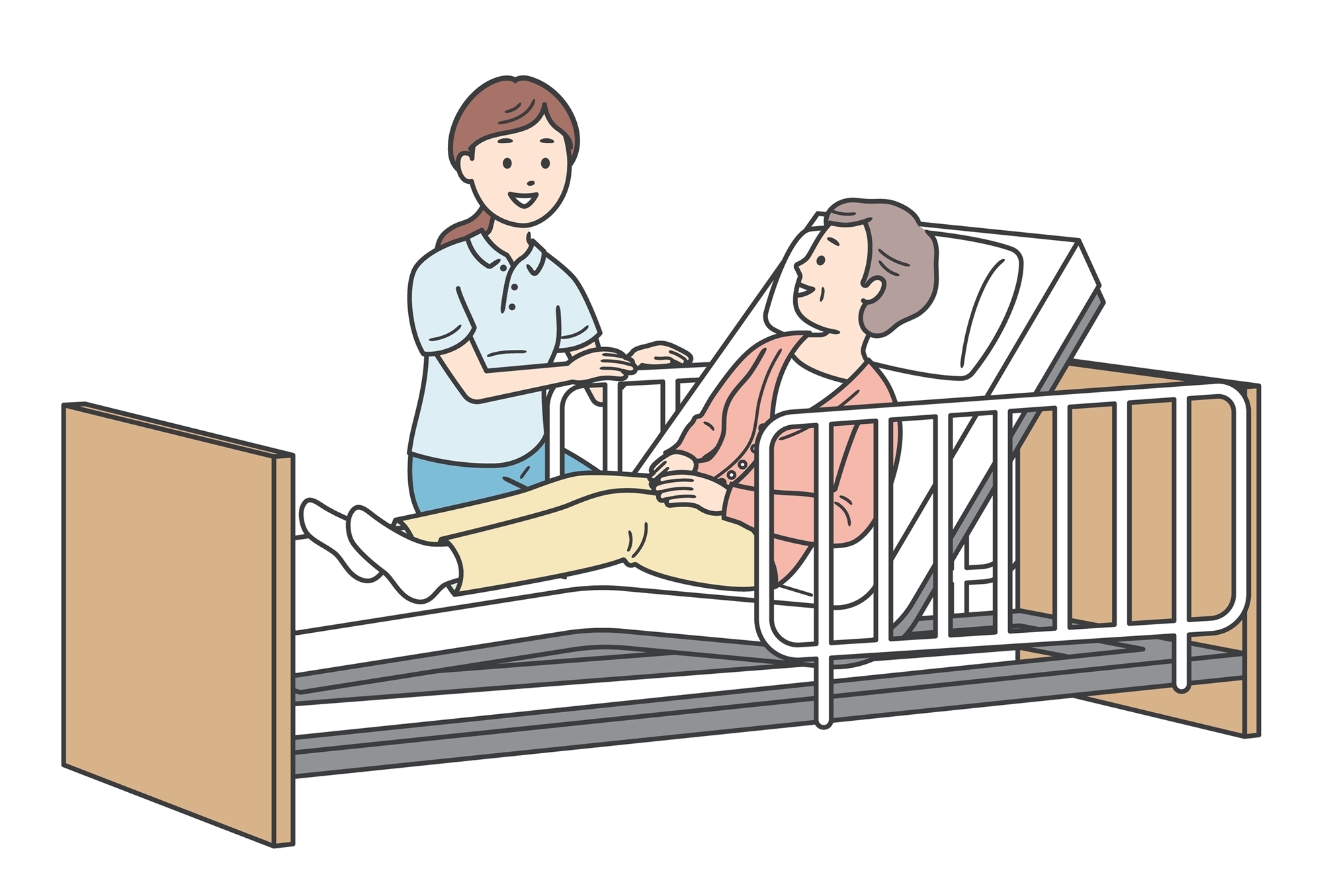
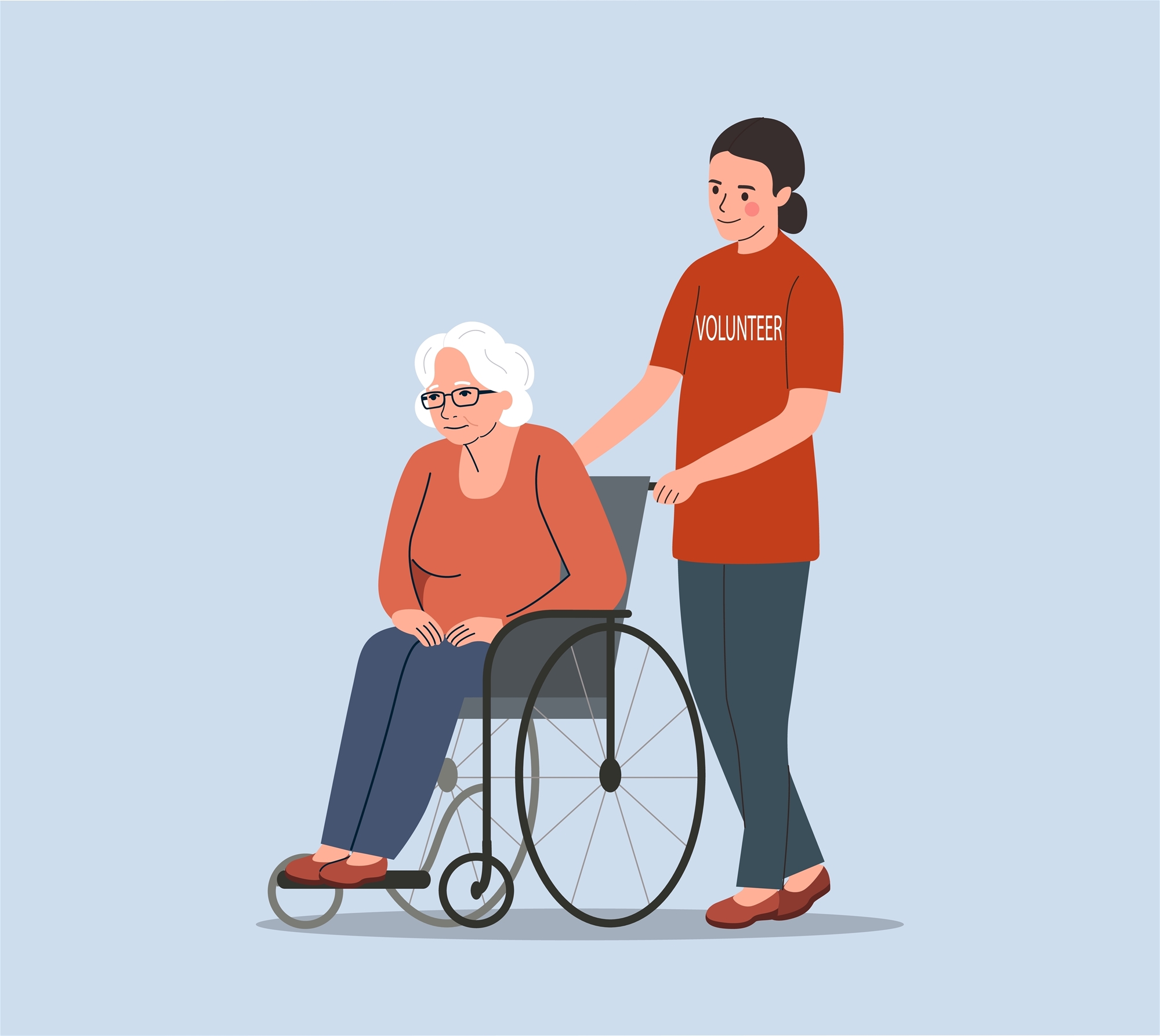
How to Prevent Falls
- Before Getting Out of Bed
- Sit up first and check if you feel dizzy or uncomfortable.
- If you feel dizzy, weak, or unwell, do not rush to get out of bed.
- You may use a bedpan or urinal while staying in bed.
- Take It Step by Step (First Time Out of Bed)
- The first time you get out of bed after surgery, a family member or nurse should help you.
- Step 1: Raise the head of the bed
Raise the bed to about 45 degrees.
- Step 2: Sit up slowly
Sit up and give your body time to adjust.
- Step 3: Sit at the bedside
Sit on the edge of the bed and gently move your legs for about 5 minutes.
- Step 4: Test your strength
Place both feet on the floor and check if your legs feel strong enough.
- Step 5: Make sure you feel okay
Only stand or walk if you feel no dizziness or discomfort.
- Additional Safety Tips
- On the day of surgery, it is recommended to use a wheelchair when getting out of bed.
- During the first 24 hours after surgery, someone should stay with you. Do not move around alone.
- Limit activities to the hospital room. It is best not to leave the ward during this time.
 開關
開關
 首頁
首頁
 Facebook
 Instagram
 體系醫院
體系醫院
 中國醫點通
中國醫點通