
What Is Allogeneic Peripheral Blood Stem Cell Transplantation?
Allogeneic peripheral blood stem cell transplantation involves infusing healthy bone marrow or blood-forming stem cells from a donor into the patient, similar to a blood transfusion. The donated stem cells replace the patient's abnormal or damaged bone marrow and help restore normal bone marrow function, rebuilding the blood-forming and immune systems.
Before transplantation, patients receive high-dose chemotherapy and, when necessary, total-body radiation therapy to destroy cancer cells and reduce the risk of rejection. During this period, protective isolation may be required to prevent infections.
Precautions After Transplantation
After transplantation, immunosuppressive medications are usually continued for approximately six months. During this period, the immune and blood-forming systems have not fully recovered, so the body is more susceptible to infections and graft-versus-host disease (GVHD).
If there is no infection or GVHD and blood cell production is gradually recovering, discharge from the hospital may be arranged. After returning home, continue to follow the recommended precautions to protect against infection.
Dietary Precautions
- Wash your hands before every meal.
- Use personal eating utensils. Avoid wooden utensils. After washing, make sure utensils are thoroughly dried or air-dried.
- Food preparation: Use separate cutting boards for raw and cooked foods. Keep cutting boards dry after use to prevent mold growth. Use a microwave to defrost frozen food; do not thaw food at room temperature.
- Drink boiled water. Avoid drinking water that has been left overnight or untreated water that has not been boiled, such as water from an RO filtration system.
- Recommended foods:
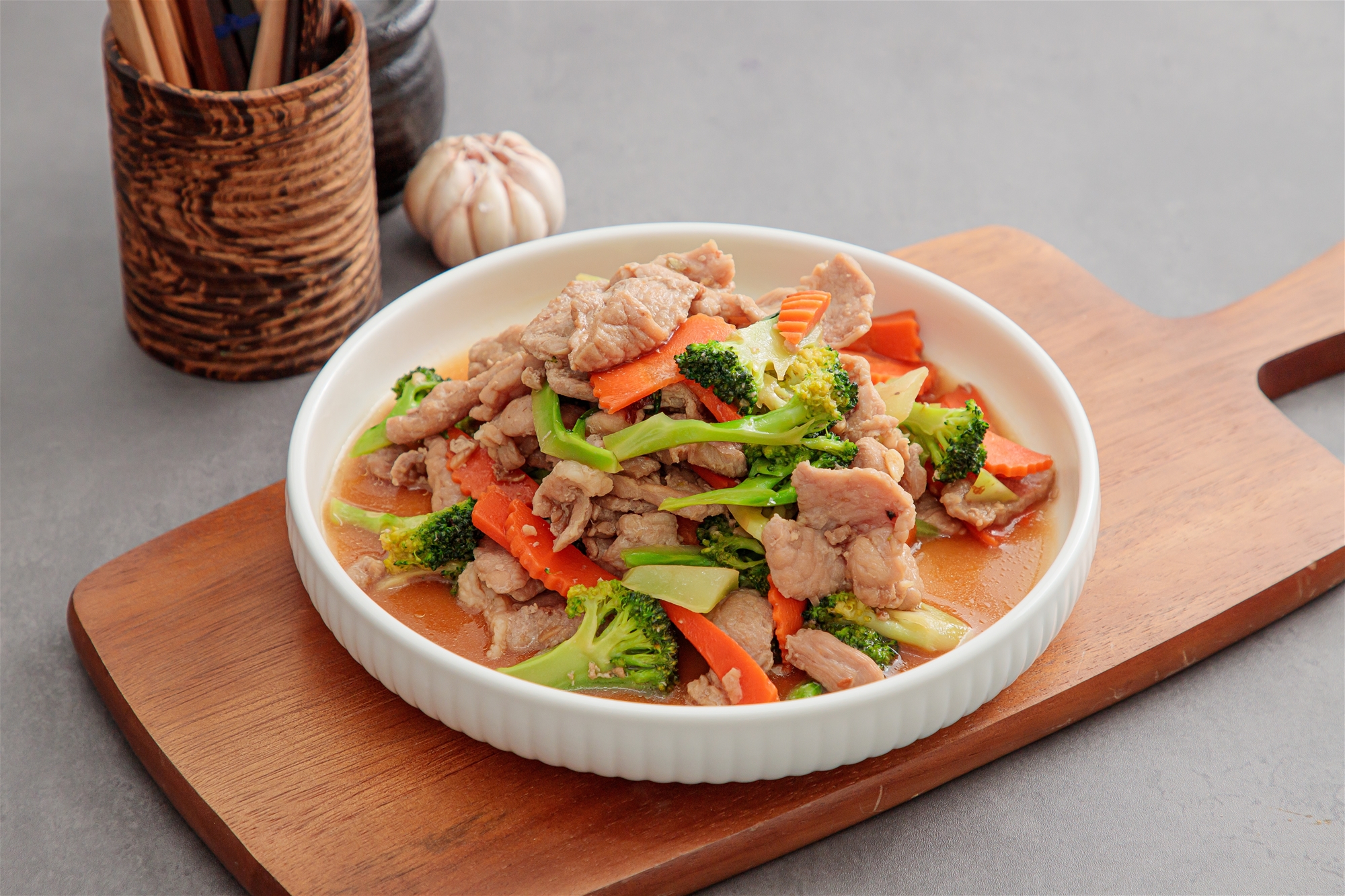
- Eat freshly prepared, thoroughly cooked foods. Choose fresh fruit after removing the peel, and avoid leftover food that has been stored overnight.
- Maintain a balanced diet and consume high-calorie, high-protein foods. If you feel uncomfortable, eat small meals more frequently.
- Eat iron-rich foods, such as pork liver, spinach, lean meat, grapes, guava, and apples.
- Foods to avoid:
- Irritating foods and beverages, such as coffee, strong tea, cigarettes, alcohol, and spicy foods.
- Immune-boosting supplements, such as ginseng and Ganoderma lucidum (lingzhi), to avoid increasing the risk of chronic GVHD.
- Foods with a hard texture.
- Seafood with a high risk of parasitic infection, such as crabs and sea snails.
- Seafood and raw foods, such as sashimi, raw beef, raw seafood, and raw vegetable salads.
- Dairy products and foods containing live cultures, such as fresh milk, cheese, fresh cream, yogurt, and Yakult.
 |
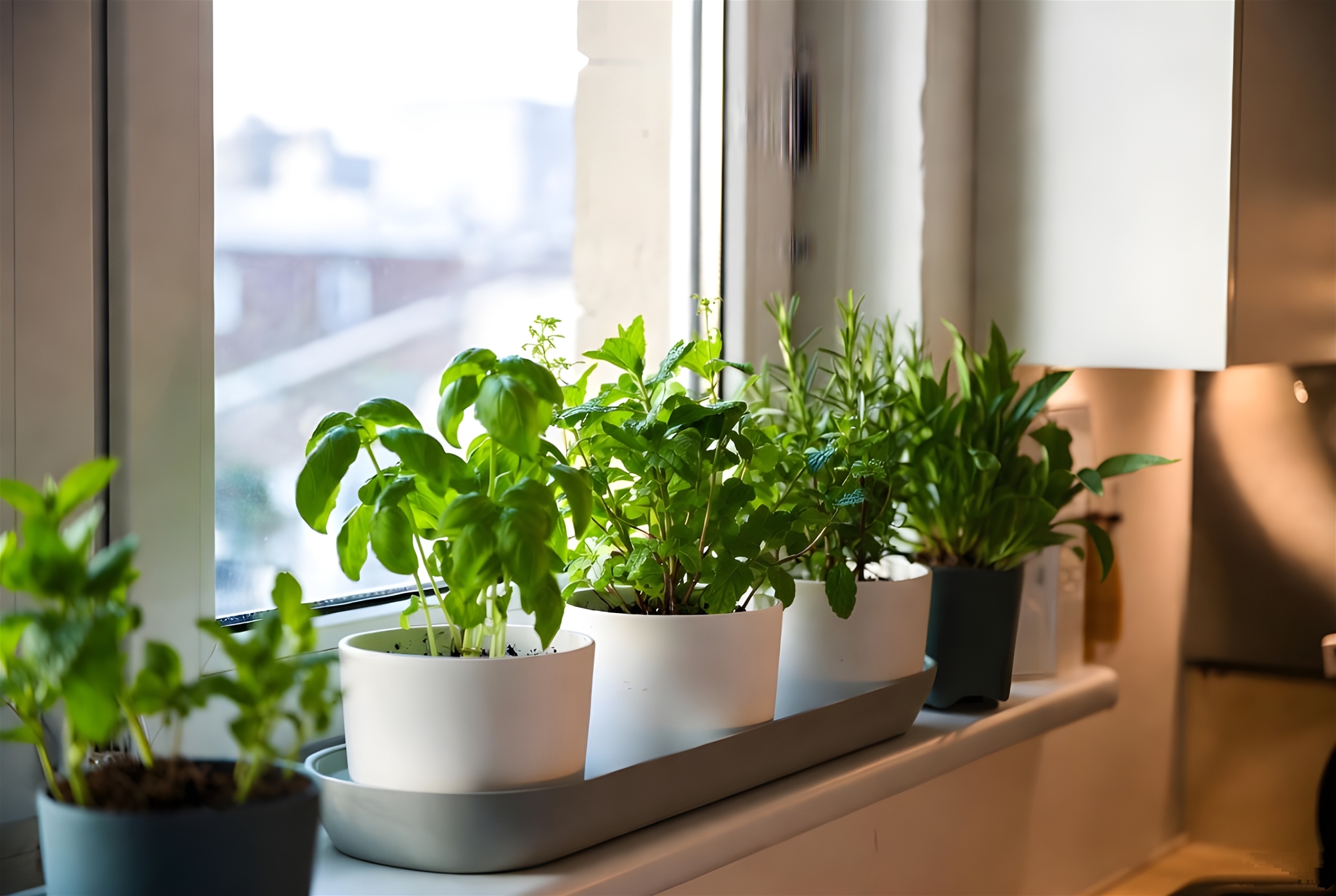 |
| Eat a balanced diet and avoid raw foods. | Avoid keeping potted plants indoors. |
Clothing Precautions
- Wear clean, dry cotton clothing whenever possible.
- Change clothes every day. Wear long sleeves to keep warm. Avoid storing clothes in damp environments to prevent mold growth and infection.
- Frequently wash bedding, pillowcases, bed sheets, and underwear. Dry them in sunlight or in a dryer to reduce mold growth.
- Avoid wearing old shoes. If you have previously had a fungal infection on your feet, do not wear old shoes or socks even after the infection has healed, to prevent reinfection.
Home Environment Precautions
- Keep your home clean, dry, well ventilated, and well lit. An air purifier may be used; replace or clean the filter regularly according to the manufacturer's instructions.
- Avoid keeping fresh flowers, dried flowers, or potted plants indoors, as mold from flowers, leaves, or soil may spread and cause infection.
- Avoid contact with people who have a cold or other contagious illness. If contact is unavoidable, both parties should wear masks.
- Avoid keeping pets or growing plants. Do not directly handle pet feces or urine, plants, or soil.
Activity Precautions
- During the first six months after transplantation, avoid crowded public transportation and crowded or poorly ventilated places, such as markets, temples, department stores, and other public areas.
- When going outdoors, wear long sleeves and long pants and wear a hat or use an umbrella to avoid direct sunlight. Use sun protection for at least one year after transplantation.
- Wear a mask when going outdoors. Replace the mask immediately if it becomes damp.
- Engage in gentle, gradually increasing exercise, such as walking. Change positions slowly to prevent dizziness and falls.
- Get adequate rest and sleep. Maintain a regular sleep schedule, avoid staying up late, and maintain a positive mood.
- If you plan to return to work, resume school, or travel abroad, discuss your plans with your attending physician.
 開關
開關
 首頁
首頁
 Facebook
 Instagram
 體系醫院
體系醫院
 中國醫點通
中國醫點通