

What is Neutropenia?
White blood cells (WBCs) are the body's primary defense system against infection. A normal WBC count ranges between 4,000 and 10,000/μL. When the WBC count drops below 4,000/μL, it is referred to as leukopenia (low white blood cell count).
Specifically, the Absolute Neutrophil Count (ANC) is a key indicator for assessing the body's ability to fight infection. An ANC of less than 1,500/μL indicates neutropenia, which significantly increases the risk of infection. Cancer patients undergoing chemotherapy, radiation therapy, or bone marrow transplantation may experience a drop in WBCs due to bone marrow suppression, weakening their immunity. Therefore, infection prevention is critical.
Symptoms of Neutropenia
-
Fever: Fatigue is common. During an active infection, symptoms may include a body temperature exceeding 38°C, rapid heart rate, chills, and shivering.
- Skin & Mucosal Symptoms: White patches or ulcers in the mouth, swollen or red gums, breakdown of the anal mucosa, as well as localized skin redness, pus formation, or pain.
- Respiratory Symptoms: Cough with phlegm, shortness of breath, runny nose, or sore throat.
- Urinary Symptoms: Frequent urination, difficulty urinating, or pain/burning sensations during urination or bowel movements.
- Gastrointestinal Symptoms: Diarrhea (more than 3 loose stools a day).
Dietary Guidelines
- Thoroughly Cooked Foods Only: All food must be fully cooked and come from intact, sealed packaging.
- Avoid Raw Foods & Live Cultures: Do not consume raw fish (sashimi), kimchi, or raw vegetable salads. Avoid products containing live yeast or active bacterial cultures (e.g., probiotic drinks, yogurt, Yakult).
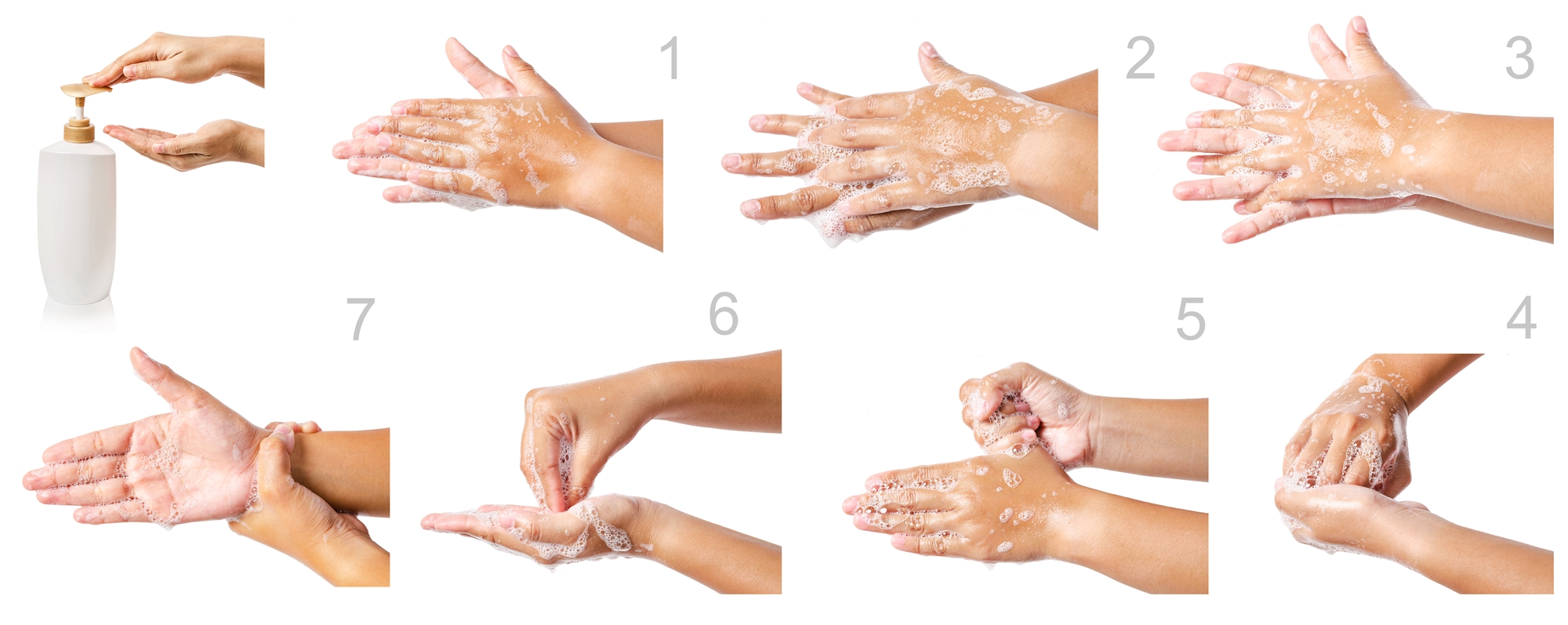
- Hand Hygiene: Always wash hands with soap and warm water before preparing or eating food.
- Boiled Water: Drink only water that has been thoroughly boiled. Drink at least 3,000 mL of fluid daily (unless fluid intake is restricted by a physician).
- Peeled Fruits: Fruits must be scrubbed clean under running water, peeled, and consumed immediately.
Daily Care & Precautions
- Limit Visitors: Restrict visits to 1–2 visitors at a time. Anyone with a cold, fever, or contagious illness is strictly prohibited from visiting.
- Wear Masks: Patients, caregivers, family members, and visitors must wear surgical masks. Replace masks immediately if they become damp.
- Environmental Hygiene: Avoid keeping potted plants or fresh flowers indoors to prevent pest breeding. Keep the living environment clean, well-ventilated, and free from dampness or mold.
- Personal Hygiene:
- Wash hands with soap and water for at least 15–20 seconds before meals and after using the restroom.
- Bathe daily, change into clean clothing, and cleanse the perianal area after bowel movements (use warm water or povidone-iodine sitz baths as advised).
- Keep fingernails and toenails clean and trimmed short.
- Measure and record body temperature regularly every day.
- Maintaining Skin & Mucosal Integrity:
- Inspect the oral cavity daily for ulcers, redness, or lesions. Use antibacterial or prescribed mouthwash after meals to prevent angular cheilitis and mucositis. If oral redness or ulcers occur, rinse every 1–2 hours.
- Use an electric razor instead of manual blades to avoid skin nicks or cuts.
- Use a soft-bristled toothbrush to protect the gums.
- Avoid scratching the skin or squeezing acne, pimples, or blackheads.
- Avoid enemas during constipation; consult a physician for stool softeners to prevent rectal mucosal tearing.
- Do not hold urine; urinate as soon as the urge arises. Female patients should wipe from front to back after using the toilet to prevent urinary tract infections.
- Female patients during menstruation should change sanitary pads at least every 4 hours (or more frequently as needed).
- Urgent Medical Attention: Caregivers should closely monitor the patient's mental alertness and vitality. If the patient becomes unusually weak or exhibits unstable body temperature, heart rate, or blood pressure, these may be warning signs of severe infection (sepsis). Seek immediate medical evaluation!
 開關
開關
 首頁
首頁
 Facebook
 Instagram
 體系醫院
體系醫院
 中國醫點通
中國醫點通