
Function of Platelets
Platelets play a critical role in blood coagulation, helping the body form clots to stop bleeding. A normal platelet count ranges between 130,000 and 400,000/mm³. A count below 100,000/mm³ is termed thrombocytopenia. If the count falls below 50,000/mm³, bleeding occurs more easily. A count below 20,000/mm³ carries a risk of spontaneous bleeding.
Causes of Thrombocytopenia
- Bone marrow suppression caused by chemotherapy or radiation therapy.
- Direct or indirect bone marrow involvement by the underlying disease or secondary infection.
- Microvascular lesions caused by end-stage cancer.
Bleeding Symptoms and Care Across 5 Key Anatomical Sites
1. Gastrointestinal Bleeding
- Symptoms: Hematemesis (vomiting blood), melena (black, tarry stools), or hematochezia (bloody stools).
- Eat Soft Foods: Consume bland, soft, non-irritating foods. Eat plenty of vegetables and fruits to prevent hard stools and anal mucosa tearing during bowel movements.
- Maintain Hydration: Drink 2,000–3,000 mL of water daily unless fluid-restricted by a physician.
- Monitor Stools: Observe the color and consistency of daily bowel movements.
- Strict Contraindications: Do not perform enemas or measure rectal temperature.
2. Oral Mucosal Bleeding
- Symptoms: Bleeding gums.
- Maintain Oral Hygiene: Keep the mouth clean and refreshed with frequent gentle rinsing.
- Gentle Brushing: Use an ultra-soft toothbrush or a foam swab. Avoid dental floss.
- Prompt Reporting: Notify nursing staff immediately if gum bleeding occurs.
3. Cutaneous Bleeding
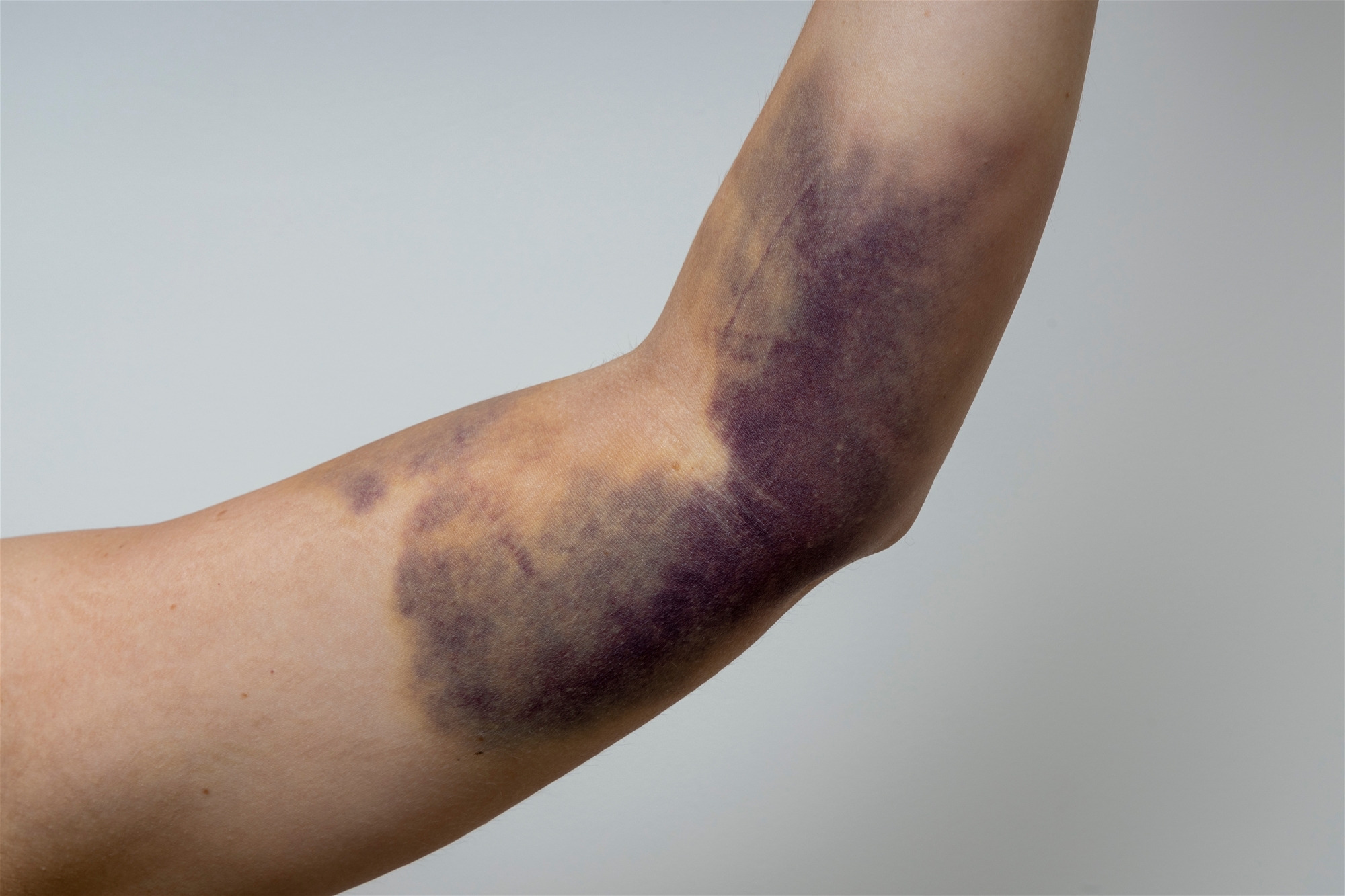
- Symptoms: Petechiae (small red spots on the skin), purpura/ecchymosis (bruising), or delayed wound hemostasis.
- Prevent Trauma: Walk slowly and take precautions to avoid bumps, collisions, or falls.
- Wear Loose Clothing: Choose loose-fitting clothes to minimize skin friction.
- Use Electric Razors: Use electric shavers instead of manual razor blades to prevent accidental cuts.
- Post-Injection Pressure: Apply firm pressure to puncture sites for 5–10 minutes after blood draws or injections.
- Post-Bone Marrow Biopsy Care: Apply local pressure (using a sandbag as clinically indicated) or lie flat for 1–2 hours to promote hemostasis.
- Monitor Skin Changes: Report expanding petechiae or bruising to medical staff immediately.
- Avoid Physical Therapies: Avoid deep tissue massage, acupressure, or gua sha (scraping).
4. Upper Respiratory Tract Bleeding
- Symptoms: Epistaxis (nosebleeds).
- Avoid Nose Picking: Use a damp cotton swab to gently clean nasal mucus or secretions.
- Avoid Forceful Nose Blowing: If necessary, blow gently through both nostrils simultaneously with your mouth open.
- Prevent Dry Mouth: For patients with altered consciousness breathing through an open mouth, place a damp gauze cover over the mouth to prevent airway desiccation and bleeding.
5. Intracranial Bleeding
- Symptoms: Dizziness, headache, altered level of consciousness, severe vomiting, focal weakness, or blurred vision.
- Prevent Straining: Maintain regular daily bowel movements without straining; use stool softeners as prescribed.
- Prevent Coughing: Avoid catching colds, as vigorous coughing increases intracranial pressure and bleeding risks.
- Warning Signs: Immediately notify medical staff if headaches or vomiting worsen.
- Bed Rest: Maintain absolute bed rest when indicated and use a bedpan for bowel movements.
- Gradual Movement: Change positions slowly when getting out of bed using a step-by-step transition (lying $\rightarrow$ sitting $\rightarrow$ standing).
 開關
開關
 首頁
首頁
 Facebook
 Instagram
 體系醫院
體系醫院
 中國醫點通
中國醫點通