

What is cervical cancer
Cervical cancer is one of the common cancers in women. It occurs in the cervix, which is the lower part of the uterus connecting to the vagina. Early-stage cervical cancer usually has no symptoms, which is why many women may delay treatment. When abnormal vaginal bleeding occurs, cancer cells may have already spread to the pelvic area.
Cervical cancer usually develops slowly, often over several years from precancerous changes. Regular Pap smear tests can detect these changes early and help prevent cervical cancer.
Risk Factors for Cervical Cancer
Women with the following experiences should be aware of their increased risk for cervical cancer:
- Giving birth to many children
- Having multiple sexual partners
- Early age at first sexual intercourse
- Smoking
- Use of oral contraceptives ("the Pill")
Note: One of the greatest risk factors is infection with HPV (human papillomavirus). A weakened immune system is another risk factor for cervical cancer.
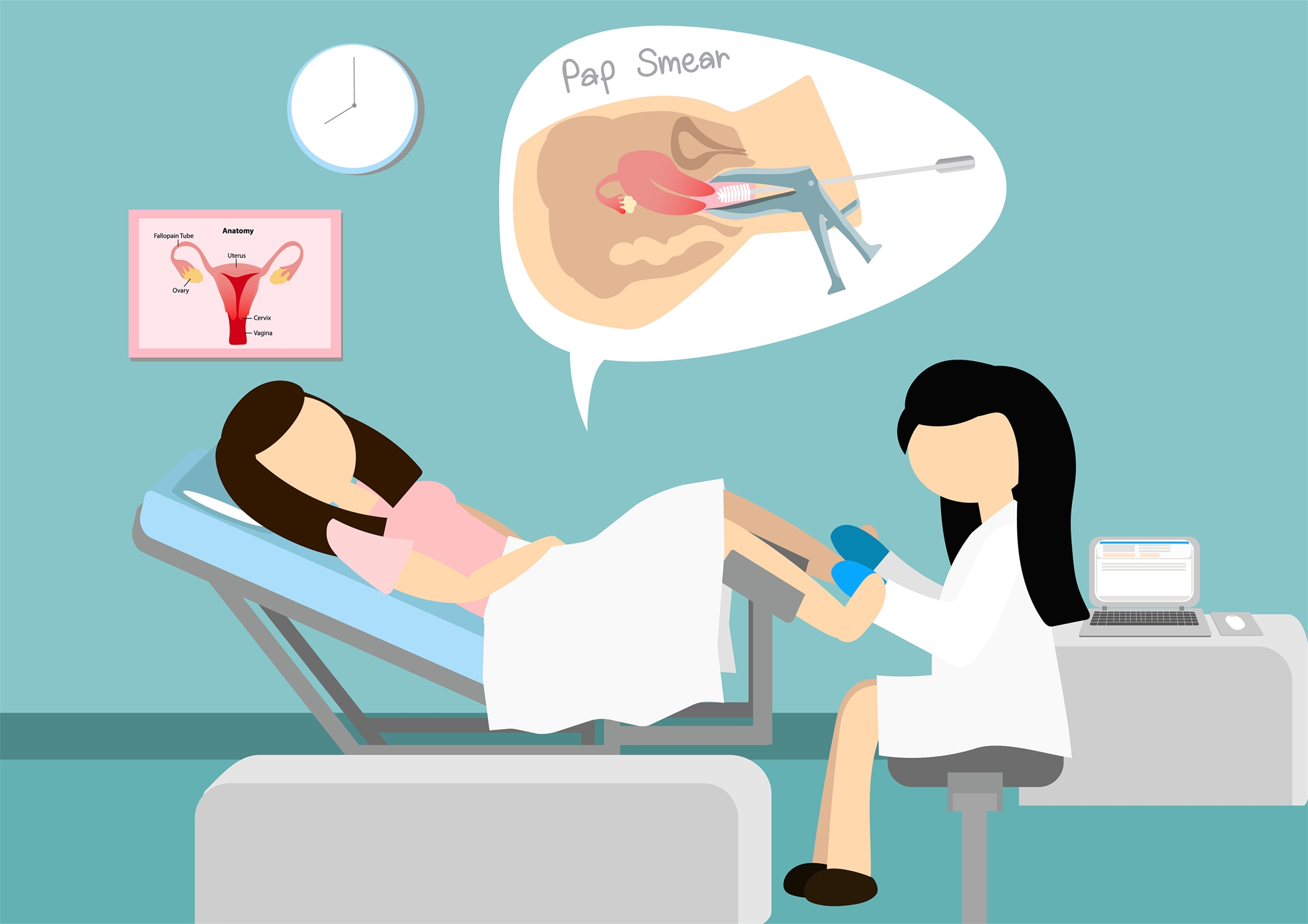
Precautions Prior to Pap smear
- Do not douche
- Do not insert a tampon
- Do not have sexual intercourse
- Do not take a tub bath
- Avoid scheduling your Pap test during your menstrual period, as blood and endometrial cells may affect the accuracy of the test.
What Do Pap Smear Results Mean?
When you receive a normal Pap test, it means the cells from the cervix look normal. On the other hand, an abnormal Pap test means the cells do not look normal. However, when you receive an abnormal Pap test, there’s no need to panic; it does not necessarily mean that cancer cells were found during the examination. There are many causes for abnormal Pap test results, including infection, inflammation related to sexual activity or use of a diaphragm, and changes related to your menstrual cycle. Your doctor will evaluate the results to determine if further testing is necessary. Also, sometimes repeat Pap tests are needed if too few cells were collected to be tested at the time. Different tests also may need to be done, such as a colposcopy. Pap tests can occasionally show signs of infection but cannot be relied on to screen for sexually transmitted diseases.
How to prevent Cervical cancer
Preventing cervical cancer begins with avoiding the aforementioned risk factors. All women should also have regular Pap smears to check for any abnormal cervical changes that may lead to cervical cancer. The HPV vaccine, Gardasil, is highly effective in preventing at least 70% of HPV-related cervical cancers. It is currently recommended for young women aged 9 to 26 years old
Cervical Pap smear examination (Health Screening Services)
National Health Insurance provides all Taiwanese women over 30 years old a free annual cervical Pap smear examination. Just bring along your health insurance card and ID card to gynecology department.
 開關
開關
 首頁
首頁
 Facebook
 Instagram
 體系醫院
體系醫院
 中國醫點通
中國醫點通