
Liposuction
In the more hidden parts of the body (such as the groin, navel, etc.), a hole of about 1 cm is created. Surgery is performed with liposuction instruments. Sometimes water jet-assisted liposuction and ultrasonic liposuction can be used to help the operation.
- Before liposuction, the mixture of normal saline solution, vasoconstrictors and anesthetics is perfused into the adipose tissue which is scheduled to be sucked out. When fat cells expand, the doctor will insert instruments via the incision and use them to suck fat out.
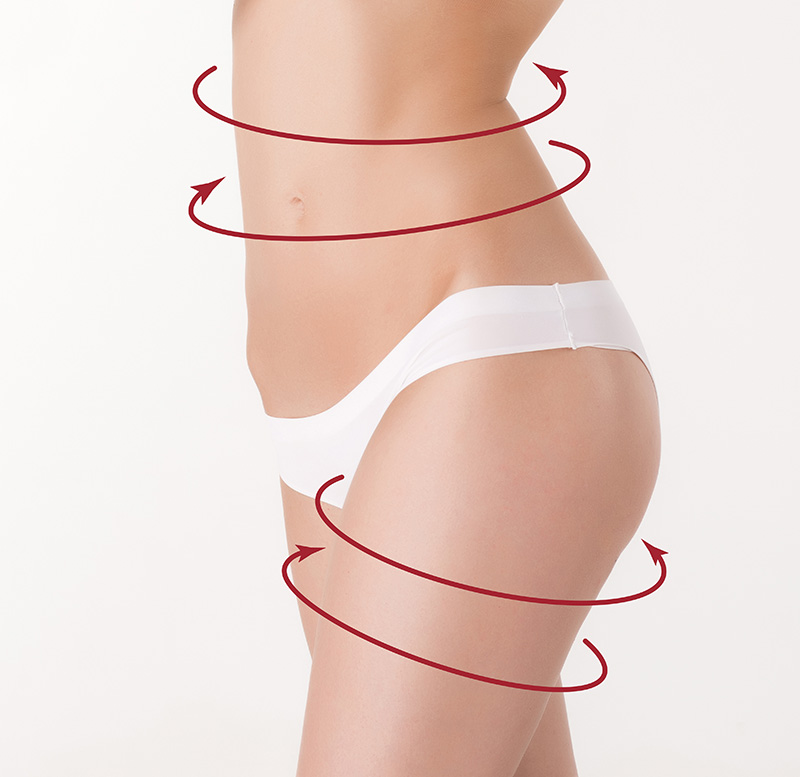
- Liposuction involves various parts of the body where fat accumulates—the lower abdomen, waist, inner and outer thighs, buttocks, medial knees and upper arms.
- Non-cosmetic liposuction: For large lipomas, gigantomastia, and hypertrophic skin flaps used in reconstruction surgery, liposuction can provide convenient adjuvant treatment.
- Liposuction is not a surgical procedure for overweight people. Overweight people need to lose weight before they can undergo body contouring surgery.
Surgical sites
The bingo wings with more than 2cm fat in the inner arm, the abdomen and annular part of the thigh where fat accumulates, buttocks with poor shape, the waist, thigh, calf, back, abdomen, enlarged male breasts (gynecomastia), etc.
Precautions before and after surgery
- Do not take anticoagulants (aspirin, etc.) one week before liposuction; otherwise, you shall inform your doctor. Do not take nutritional supplements (e.g. Antrodia cinnamomea, Ginkgo biloba, vitamins, fish oil, etc.) either, and reduce intake of foods, such as ginseng, that promote blood flow.
- Wearing close-fitting garments immediately after surgery can reduce hematoma. The condition being stable after 3 months indicates the operation is effective. Tight-fitting clothes should be worn within 3 to 6 months, and good surgical results can be maintained if they are worn continuously. Regular return visits should be made with doctors to track changes in the affected areas.
- Take a sponge bath rather than a shower within one week after operation. If you need to take a shower, please put on waterproof tape and change dressings thereafter to prevent wound infection and inflammation. Please use normal saline solution to clean the affected part and then apply ointment as directed by the doctor.
- Bed rest: People undergoing liposuction on a small scale can still go to work while those receiving the surgery on a large scale may take a 2-or-3-day rest at home and resume work a week later, with vigorous exercise recommended after 4 weeks.
- Postoperative skin sensation is dull, because suction of fat may also damage some skin sensory nerve fiber endings, which will gradually recover in about 3 to 6 months.
- Do not drink, smoke or breathe in secondhand smoke after surgery to avoid affecting wound healing.
- Massage the affected area: Massaging the affected part two weeks after the operation can help reduce swelling and improve the uneven skin surface, which will gradually disappear in about 3 months to half a year.
Q&A
- Q1: Is liposuction considered a "major surgery"? Is it life-threatening?
- A: While the procedure is safe in the vast majority of cases, all surgical procedures carry inherent risks. Medical literature indicates that, in rare instances, serious complications such as blood clots or pulmonary issues can occur. This is particularly true when the surgical area is extensive, the procedure duration is long, or the patient has specific underlying risk factors. Therefore, professional medical institutions will conduct a comprehensive health assessment before surgery and implement strict preventive measures during and after the procedure to minimize these risks.
- Q2: Is it normal to suddenly feel "short of breath, chest tightness, or extreme discomfort" after liposuction?
- A: No, this is not normal. If you experience these symptoms, you must seek medical attention immediately. A rare but serious complication known as Fat Embolism Syndrome (FES) can occur within hours after liposuction. Symptoms include:
- Difficulty breathing (Dyspnea)
- Chest tightness or a feeling of being unable to catch your breath
- Confusion, altered consciousness, or extreme physical distress
While this condition is very rare, medical literature clearly states that if such symptoms appear, you should go to the Emergency Room immediately. Do not delay seeking medical care.
- Q3: How long will the results of liposuction last? Will the fat grow back?
- A: The fat cells that have been removed will not regenerate. However, if you gain weight, the remaining fat cells in your body can increase in size. To minimize the chance of regaining fat and to maintain your results, it is recommended to maintain a regular exercise routine and a healthy diet following the procedure.
 開關
開關
 首頁
首頁
 Facebook
 Instagram
 體系醫院
體系醫院
 中國醫點通
中國醫點通